
ACCOYA® WOOD SPECIALIST - CROATIA & UAE

One Material
Three Solutions.

LALA® applies the same Accoya® wood technology across loungers, decking and façades — built once, lasting decades.
50yr
Warranty
FSC®
Certified
±0%
Movement
#1
Modified Wood

LALA® Lounger

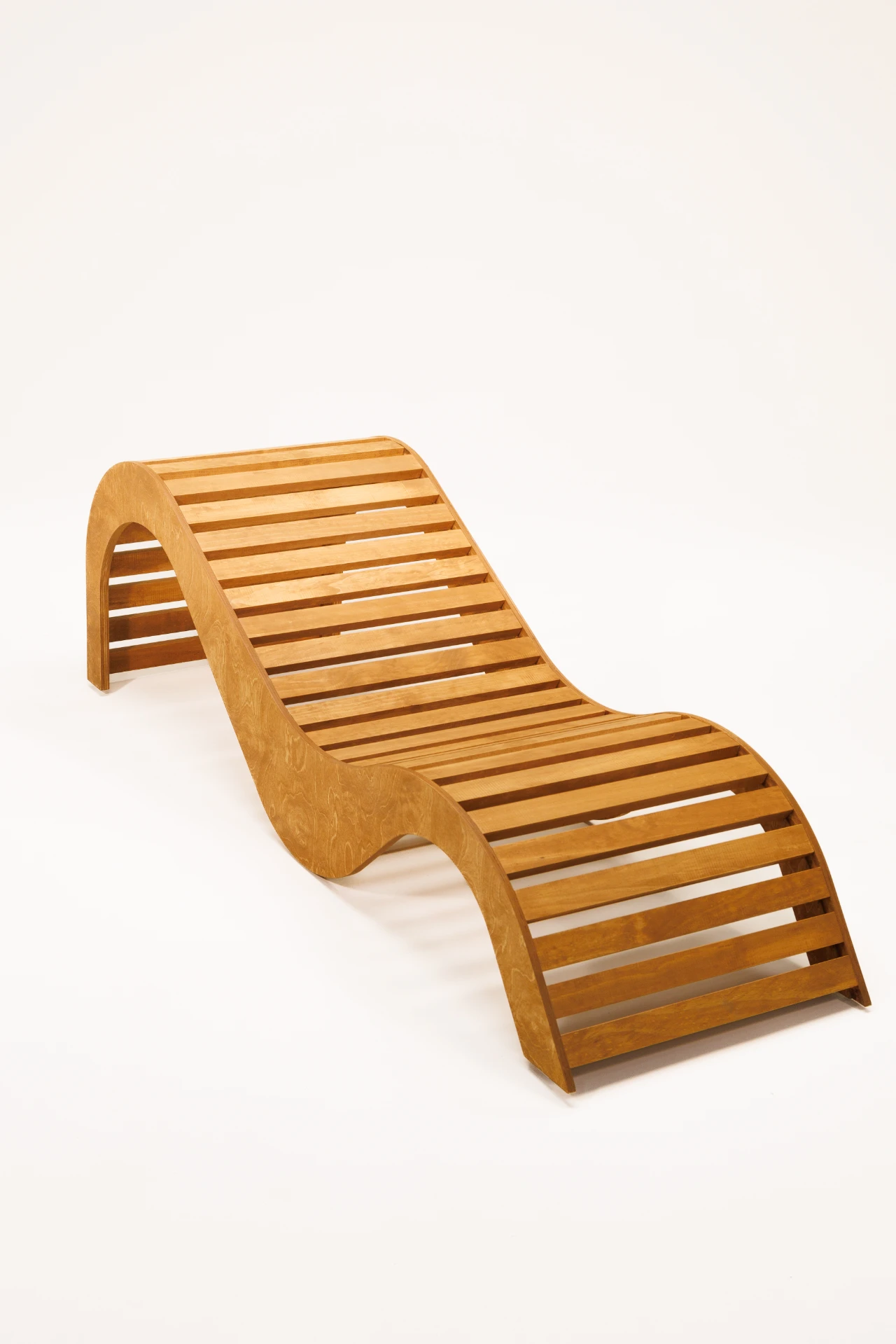
The LALA® Lounger is the product the brand is built around — a piece of outdoor furniture designed and engineered the way an architect would approach a fixed structure, not the way most furniture brands approach a seasonal product. Every lounger is handcrafted from solid Accoya® wood, the acetylated timber known for holding its shape and finish through years of direct sun, pool chemicals, salt air and constant guest use. Where most outdoor furniture is built to be replaced every few seasons, the LALA® Lounger is built to be specified once and left in place.

That durability comes from the construction underneath the design. The internal structure uses waterproof birch plywood for rigidity and long-term stability, with solid Accoya® slats forming the visible surface — the part of the lounger that takes direct weather exposure and needs the dimensional stability Accoya® is known for. A natural, oil-based finish protects the surface without sealing it in plastic or synthetic coatings, preserving the timber’s appearance and allowing it to age the way solid wood should, rather than peeling or yellowing the way painted or laminated outdoor furniture often does.

The lounger is modular by design, with multiple configurations available and a range of finishes and add-ons — cushions, wheels, shading elements, and personalization options — so it can be specified to match the scale and aesthetic of a single villa or a 200-room resort. For architects and procurement teams working on larger projects, LALA® provides specification-ready documentation to support B2B ordering and project planning.
Accoya® Decking

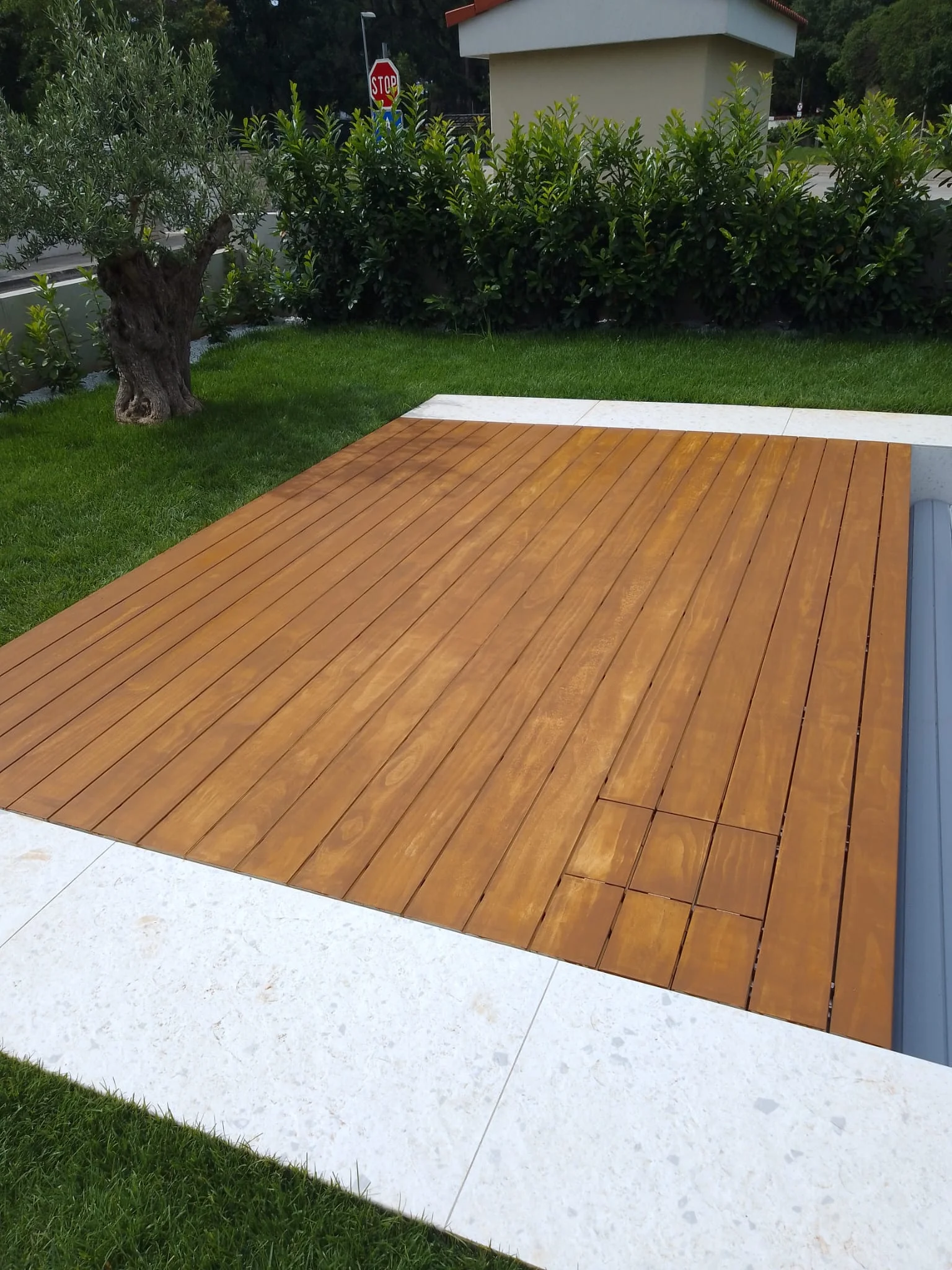
Pool surrounds, terraces, walkways and boardwalks are some of the most demanding surfaces in any hospitality project — constant foot traffic, standing water, pool chemicals, and in Mediterranean and Gulf climates, direct sun exposure that can push surface temperatures well past 50°C. Ordinary timber decking responds to that environment by swelling, cupping, splitting or greying within a few seasons, which is exactly the failure point Accoya® decking is engineered to eliminate.

Because Accoya® wood is acetylated rather than chemically treated, its cell structure is permanently altered to resist moisture absorption. In practical terms, that means boards stay close to dimensionally stable — what the brand quantifies as ±0% movement — across the humidity and temperature swings a poolside or coastal terrace experiences daily. Fixings stay tight, board edges stay even and safe underfoot, and the surface doesn’t develop the gaps, splinters or warping that turn a deck into a liability over time. The wood also resists rot and decay at a level closer to a tropical hardwood than a typical softwood, without the sourcing concerns that come with harvesting old-growth tropical timber.

That stability is backed by a 50-year warranty on the Accoya® wood itself, which changes the economics of a decking project: rather than budgeting for a full deck replacement every 8–10 years, hotel groups and developers specifying Accoya® are budgeting for a surface meant to outlast multiple renovation cycles of the building around it.

Accoya® Facades

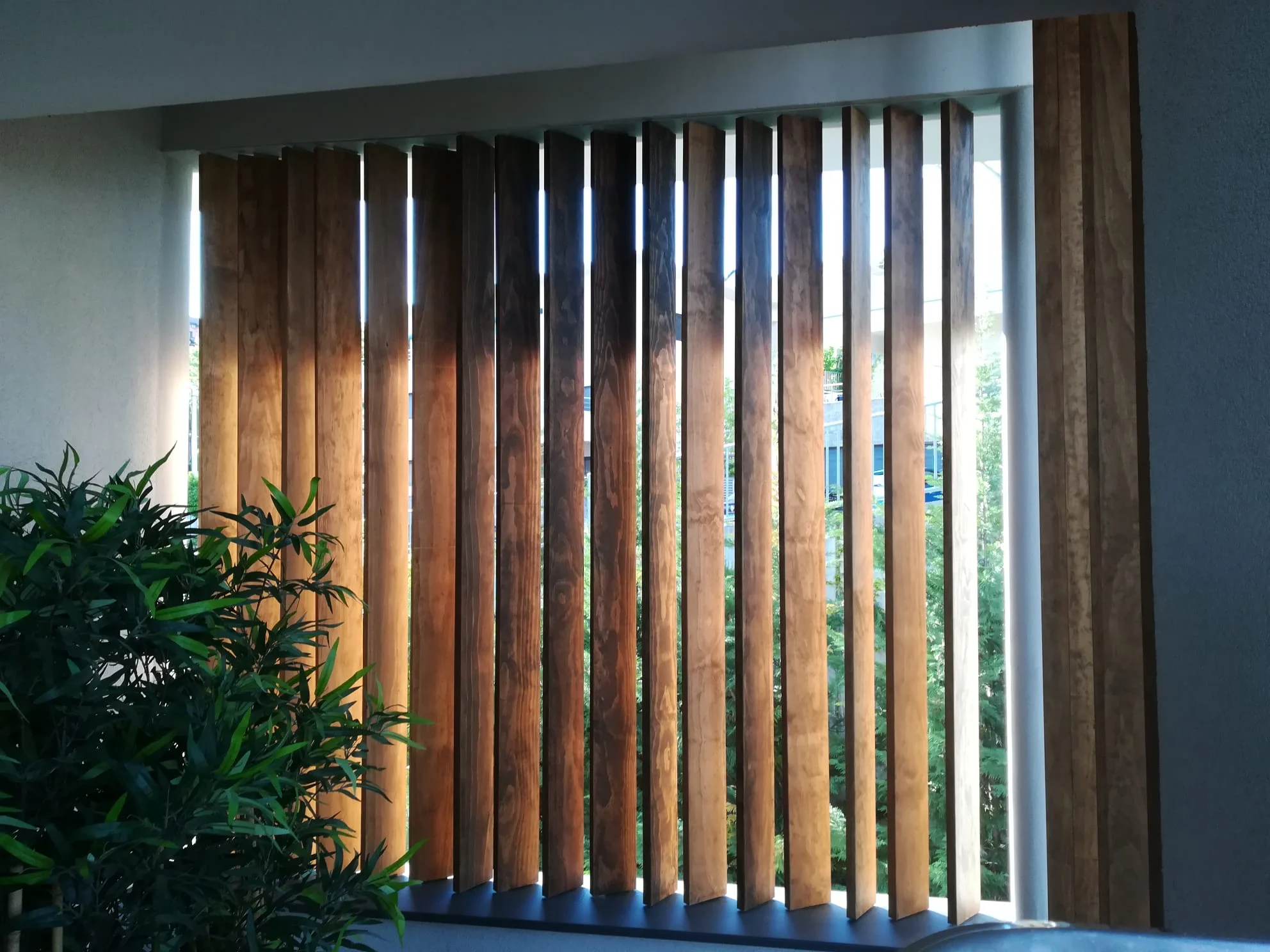
A building’s façade carries more design weight than almost any other surface — it’s the first material a guest or visitor reads the project through, and in hot climates, it’s also doing real architectural work, controlling solar gain, shade and airflow. Accoya® façade cladding and brise-soleil systems are built to hold both of those jobs at once: a vertical timber surface that keeps its color, shape and texture through years of direct Mediterranean or Gulf sun, while contributing natural shading that lowers solar load on the building behind it.

Vertical cladding carries more direct, sustained UV and heat exposure than almost any other application of timber on a building, which is where untreated or lightly treated wood typically fails first — fading, cracking, or warping away from the substrate within a handful of years. Accoya®’s acetylation process addresses this at the material level rather than through a surface coating, so the dimensional stability and decay resistance run through the full thickness of the board, not just the finish. That means cladding and brise-soleil louvres stay true to their original line — flat, straight, evenly spaced — which matters both for weatherproofing and for the architectural precision a façade design depends on.

Because the material performs consistently across hot, humid and coastal conditions, it gives architects a way to specify natural timber on a façade in climates where wood cladding has traditionally been a maintenance risk, without falling back on synthetic alternatives that don’t age the same way or carry the same FSC®-certified sourcing credentials.